
Glass, Glass Replacement & Installation
How to Replace a Foggy or Moisture-Trapped Double-Glazed Window
Jul
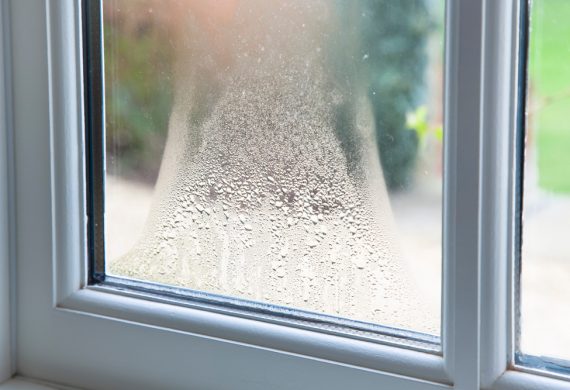
How to replace a foggy double-glazed window starts with identifying the signs of a failed seal—typically seen as trapped moisture, condensation, or a persistent foggy appearance between the panes. These issues not only reduce visibility but also compromise the window’s energy efficiency.
In this guide, you’ll learn the step-by-step process to safely and effectively replace a foggy or moisture-filled double-glazed unit, helping you restore both clarity and performance to your windows.
Why Do Double-Glazed Windows Fog Up?
The sealed unit, also known as an Insulated Glass Unit (IGU), can become compromised due to:
- Seal failure caused by age or manufacturing defects
- Expansion and contraction from temperature changes
- Poor installation
- Prolonged exposure to moisture
Once the seal is broken, moisture seeps between the panes, causing permanent fog or condensation.
Can You Repair a Foggy Double-Glazed Unit?
In most cases, no. Once the unit is compromised:
- You cannot access the inner space to clean it
- Dehumidifying treatments are temporary and cosmetic
- The best solution is replacing the IGU (glass unit), not the entire window frame
Tools & Materials You’ll Need
Before you begin, it’s important to gather everything you need to replace a foggy double-glazed window correctly the first time.
- Replacement double-glazed glass unit (cut to size)
- Measuring tape
- Flat-head screwdriver or glazing tool
- Rubber mallet
- Safety gloves and goggles
- Glazing tape or rubber gasket
- Soft cloth for cleaning
Step-by-Step: How to Replace a Foggy Double-Glazed Window
Step 1: Measure the Existing Unit
If you’re learning how to replace a foggy double-glazed window, start by measuring the existing unit carefully i.e.
- Measure the height, width, and thickness of the current IGU
- Take three measurements across each dimension and use the smallest
- Specify glass type, tint (if any), and spacer thickness when ordering the replacement
📌 Most IGUs range between 20mm–28mm thick
Step 2: Remove the Glazing Beads
- Insert a flat-head screwdriver at the corner of the frame where the bead meets the glass
- Gently pry out the glazing beads, starting with the shortest side
- Label each bead if needed for reinstallation
Step 3: Remove the Foggy Glass Unit
- With gloves on, carefully remove the fogged double-glazed unit
- Inspect the frame for water damage, dirt, or old glazing tape
- Clean thoroughly and allow to dry
Step 4: Install the New Glass Unit
- Apply glazing tape or insert a new rubber gasket to cushion the new unit
- Carefully insert the new IGU, aligning it evenly within the frame
Ensure it’s flush and seated properly
Step 5: Reinstall Glazing Beads
- Press the glazing beads back into place starting with the longest ones
- Use a rubber mallet to tap them in securely
- Check that the glass is stable and there are no gaps or loose edges
Step 6: Clean and Inspect
- Wipe the surface of the new glass with a clean microfiber cloth
- Inspect the window for alignment, seal tightness, and smooth operation
Tips for Preventing Future Fogging
- Ensure professional installation to avoid pressure imbalances
- Use argon-filled IGUs with advanced seals for longer lifespan
- Maintain exterior seals and drain holes around windows
- Avoid using harsh chemicals near window seals
When to Consider Full Window Replacement
While learning how to replace a foggy double-glazed window can solve most issues caused by failed seals, there are situations where replacing just the glass unit may not be enough. You should consider full window replacement if:
- The frame is damaged, warped, or rotting
- You want to upgrade to a newer window system
- The window is inefficient or outdated in both design and materials
In these cases, installing a new window unit—not just a new glass insert—can offer better long-term value, improved insulation, and a fresh aesthetic.
