
Glass, Glass Replacement & Installation, SANS
7 Ways to Tell If Your Window Glass Is Energy Efficient

Dec
7 Ways to Tell If Your Window Glass Is Energy Efficient
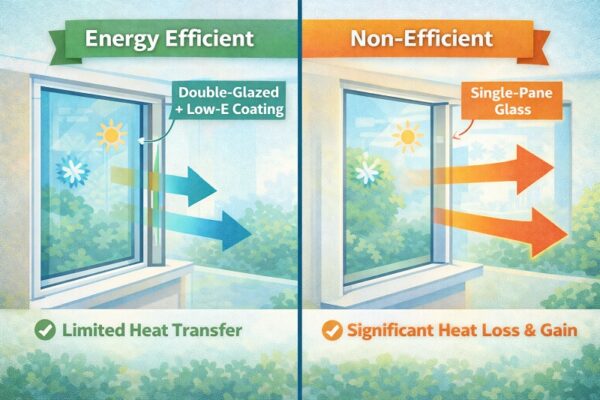
In an age of rising energy costs and environmental awareness, energy-efficient windows have become a smart upgrade for homeowners across South Africa. But how can you tell if your window glass is truly energy efficient?
Whether you’re evaluating your current windows or shopping for new ones, here are 7 reliable ways to identify energy-efficient glass and make informed decisions.
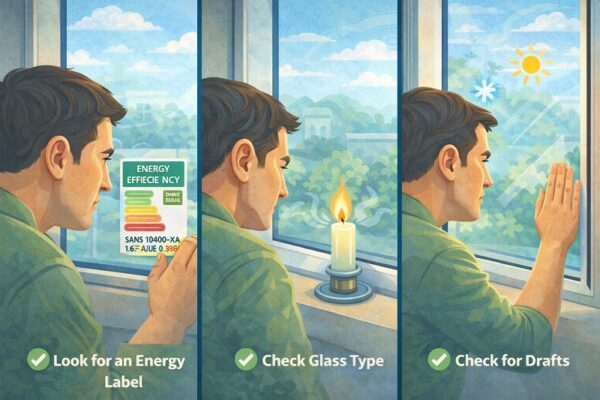
1. Look for a Visible Energy Rating or Label
The first sign of energy-efficient window glass is a visible energy performance label. In South Africa, you may see markings or stickers indicating compliance with:
- SANS 10400-XA (local energy efficiency regulation)
- U-value (measures heat loss)
- SHGC – Solar Heat Gain Coefficient (measures solar heat gain)
- Labels from glass manufacturers or fenestration consultants
If your window has no markings or energy label, it may not meet modern standards.
2. Check the Glass Type: Low-E, Double Glazing, or Laminated?
Energy-efficient windows typically use specialized glass types like:
- Low-E (Low Emissivity) Glass – coated to reflect heat back inside in winter and block heat in summer.
- Double Glazing (Insulated Glass Units) – two glass panes with an air or gas-filled gap between them.
- Laminated Glass – not just for safety, but also limits solar heat and UV transmission.
Ask your installer or look at the edge of the glass for signs like Low-E film reflection or spacer bars (in double glazing).
3. Conduct the Touch Test
Stand inside your home and touch the glass on a hot day or a cold morning.
- Cold exterior, warm interior? That’s good.
- Hot or cold to the touch inside? The window is likely single-glazed and not insulating well.
Energy-efficient windows reduce indoor temperature swings, keeping your space more comfortable.
4. Check for Drafts Around the Window Frame
Even the best energy-efficient glass won’t help if the window frame leaks air.
- Hold a candle or lighter near the frame edge. If the flame flickers, there’s an air leak.
- On windy days, feel for cold air moving through gaps.
- Look for old or cracked weather seals or glazing gaskets.
Proper sealing is just as important as the glass itself for energy performance.
5. Notice Noise Reduction
Energy-efficient glass doesn’t just regulate temperature—it also reduces outside noise.
If your windows block out traffic, wind, or neighbour noise, it’s a good sign that:
- You have double-glazing, or
- Laminated / acoustic glass has been used.
If noise passes through easily, your window glass may be outdated or poorly fitted.
6. Use a Magnet to Test for Low-E Coating
Here’s a cool trick: Low-E glass coatings often contain metal oxides.
- Hold a small magnet against the glass. If it sticks lightly, you may have a Low-E coating.
- Alternatively, shine a light at an angle and look for a slightly different colour reflection – a sign of Low-E.
While not 100% reliable, it’s a quick DIY test to check if you have coated glass.
7. Review the Installation Date or Building Specs
Many homes built or renovated after 2011 (when SANS 10400-XA came into effect) are required to include energy-efficient glazing.
Check your:
- Building plans
- Occupation certificate
- Glass invoice or installer’s documentation
These often include details about glass type, performance values, and installer compliance.
Why Energy-Efficient Glass Matters
|
Benefit |
Result |
| Reduced heat gain/loss | Lower energy bills |
| Better indoor comfort | Cooler in summer, warmer in winter |
| UV protection | Protects furniture from fading |
| Improved soundproofing | Quieter indoors |
| Increased resale value | Attractive upgrade for buyers |
Final Word
Energy-efficient glass is one of the smartest upgrades you can make to your home—but many homes still have outdated, underperforming windows. By using the tips above, you can spot whether your current windows are helping or hurting your home’s efficiency.
If in doubt, have a qualified installer assess your glazing—and consider upgrading to double-glazed, Low-E, or laminated energy-efficient units.
Need Help Upgrading Your Windows?
Get Glass offers affordable energy-efficient glass replacement and window upgrades across Gauteng. Whether you’re renovating, building new, or just want to save on energy bills, we can help.
