
Glass, Glass Replacement & Installation
How to Tell If Your Window Glass Needs Replacing or Just Resealing
Jul
Not all window problems require a full glass replacement—sometimes, a simple resealing can restore insulation, eliminate drafts, or stop water leaks. But how do you know when the issue is minor and when it’s time to reseal or replace window glass entirely? This guide will help you understand the signs, make the right decision, and save time, money, and unnecessary hassle.
Why It Matters
Choosing whether to reseal or replace window glass affects key factors like cost, time, and energy performance:
- Cost: Resealing is typically cheaper
- Time: Replacement may take longer due to ordering custom glass
- Performance: The right fix restores comfort and energy efficiency
Signs Your Window Just Needs Resealing
✅ Drafts Around the Edges
- Cool air enters near the frame, especially on windy days
- Likely due to deteriorated sealant or gaskets, not broken glass
✅ Water Leaks at the Frame
- Water drips during rain but glass is intact
- Can often be resolved by resealing joints with silicone
✅ No Visible Damage to the Glass
- No cracks, chips, or fog between panes
- The issue may stem from failed exterior caulking or loose beads
✅ Condensation on the Room Side Only
- Moisture forms on the inside surface, not between the panes
- This is usually due to humidity, not glass failure
✅ Loose or Aging Glazing Beads
- Beads have come loose or shifted over time
- Reinstalling or resealing can fix the draft without replacing the glass
Signs Your Window Glass Needs Replacing
According to Energy.gov, damaged or inefficient windows can lead to significant energy loss. That’s why it’s important to know when to reseal or replace window glass before it impacts your utility bills.
❌ Cracks or Chips in the Glass
- Any crack compromises strength and energy performance
- In such cases, it’s clear that you must replace the window glass—resealing won’t help. This is why it’s crucial to know when to reseal or replace window glass based on the type of damage.
❌ Fog or Moisture Between Double-Glazed Panes
- This indicates seal failure in an Insulated Glass Unit (IGU)
- The unit is no longer insulating—replace the IGU, not just the seal
❌ Discolouration or Cloudy Glass
- Irreversible stains from failed coatings or inner moisture
- Usually not fixable by cleaning or resealing
❌ Glass Moves or Rattles Inside the Frame
- May signal loose, damaged glazing or frame warping
- If not resolved by resealing, replacement is required
❌ Poor Energy Performance Despite Sealing
- High utility bills or persistent hot/cold spots around windows
- Indicates the glass itself is outdated or inefficient
Quick Assessment Checklist
| Symptom | Likely Solution |
| Cold air from window edge | Reseal the frame |
| Water leaking during rain | Reseal caulking |
| Fog inside double glazing | Replace glass unit |
| Cracked or chipped glass | Replace glass pane |
| Loose glazing bead | Reseal or re-secure |
| Hazy or discoloured glass | Replace glass |
Use this checklist to quickly decide whether to reseal or replace window glass based on your symptoms.
When in Doubt, Get a Professional Inspection
If you’re unsure:
- Ask a glass technician to assess your window
-
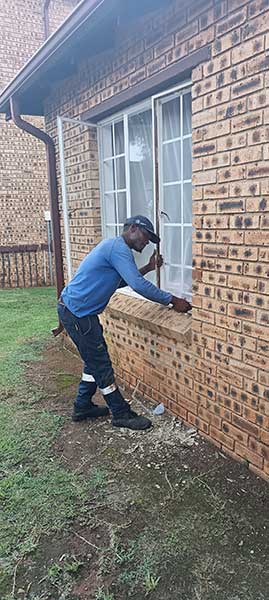
A 10-minute inspection can help determine whether you need to reseal or replace window glass, saving you from guesswork and costly mistakes.
- Most glass replacement companies offer free or low-cost inspections
Final Tip
Taking early action is key—what starts as a small draft or minor leak can lead to serious issues like damaged frames, moisture buildup, or rising energy costs. Knowing when to reseal or replace window glass helps you avoid expensive repairs and maintain a comfortable, energy-efficient space. Addressing the problem quickly not only protects your property but also gives you peace of mind in the long run.
