
Glass, Glass Replacement & Installation
9 Reasons Why Your Windows Are Leaking – And How to Fix Them
Jul
Understanding why windows are leaking is crucial, as water intrusion is more than just a nuisance—it can quickly lead to mold, structural damage, and escalating energy bills. Whether you’re in a new home or dealing with aging windows, this guide explores the most common causes of window leaks and offers practical fixes to stop the problem at the source.
1. Worn or Cracked Window Seals
Over time, constant exposure to weather, UV radiation, and temperature changes causes the sealant around your windows to dry out, crack, or separate from the frame. This deterioration creates pathways, allowing water to seep through, which is a common reason why windows are leaking.
🔧 Fix: Remove all traces of old, degraded sealant using a scraper or knife. Thoroughly clean the surface, then apply fresh, high-quality neutral-cure silicone along the perimeter, both inside and out, ensuring a continuous, watertight bond.
2. Improper Glass Installation
If the glass pane wasn’t properly seated, aligned, or sealed during its initial installation, water can easily get in—especially during heavy rain or high winds. Incorrectly installed glass can put undue stress on the pane and allow leaks.
🔧 Fix: For persistent issues, carefully remove and reinstall the glass. Ensure correct spacers and gaskets are used, and apply a fresh, appropriate sealant around the perimeter. If unsure, professional help is highly recommended.
3. Clogged or Missing Drainage Holes
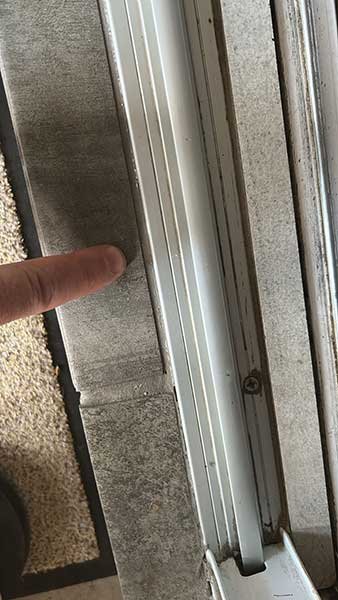
Most modern aluminium and uPVC windows are designed with small weep holes (drainage holes) at the bottom of the frame to allow accumulated water to drain outside. When these crucial holes get blocked by dirt, debris, or insects, water backs up inside the frame and spills over, causing a visible leak.
🔧 Fix: Regularly inspect your window frames for weep holes. Use a toothpick, a thin wire, or a can of compressed air to clear any blockages, ensuring water can flow freely out.
4. Damaged Glazing Beads or Gaskets
Glazing beads are the strips that hold the glass pane in place, and rubber gaskets provide a critical watertight seal around the glass. If these become loose, cracked, or deformed over time, they reduce the window’s water-tightness and allow moisture to penetrate during storms.
🔧 Fix: Carefully remove any cracked, brittle, or deformed glazing beads and replace them with new ones. Fit new, flexible gaskets snugly around the glass panel for a tight, reliable seal against moisture.
5. Leaking From Above the Window
Sometimes, the water isn’t actually originating from the window unit itself, but rather from a failure in the building envelope directly above the opening. This could be due to damaged roofing, deteriorated wall flashing, or cracks in the exterior cladding, allowing water to track down and appear as a window leak.
🔧 Fix: Thoroughly inspect the area directly above the window for any signs of water stains, cracks in the wall, or loose roof tiles/shingles. Repair any damaged flashing, roof components, or exterior cladding as needed to divert water away from the window.
6. Cracked or Broken Glass Pane
Even a hairline crack in the window glass—especially if it extends to the edge near the frame—can create a pathway for water to drip inside. Over time, small cracks can expand, leading to more significant water ingress and potential integrity issues. This is an obvious reason why windows are leaking.
🔧 Fix: The only effective solution for a cracked or broken glass pane is immediate replacement. Ensure the new glass panel is properly sized, seated, and sealed into the frame to prevent future leaks.
7. Rotting or Warped Window Frames
Timber window frames, particularly when exposed to consistent moisture without proper sealing or maintenance, can absorb water and begin to rot, twist, or separate at the joints. These structural distortions create obvious gaps that allow rainwater to enter your home.
🔧 Fix: For minor damage, repair or reinforce the compromised frame sections using wood fillers or epoxies. If the rot or warping is extensive, the entire frame (or even the window unit) may need to be replaced. Always use treated timber and repaint with a high-quality waterproof sealer.
8. Condensation From Poor Insulation
It’s important to distinguish between actual leaks and condensation. Sometimes, why windows are leaking isn’t about external water entry, but rather “sweating” from inside the glass. Condensation accumulating between double-glazed panes or on the interior surface is often due to poor insulation, failed seals in multi-pane units, or inadequate room ventilation causing high humidity.
🔧 Fix: If condensation is between panes, the sealed unit has failed and needs replacement, ideally with double-glazed or energy-efficient glass. For interior surface condensation, ensure rooms are adequately ventilated (e.g., using exhaust fans, opening windows briefly) to reduce indoor humidity.
9. Poor Caulking Around the Frame
The exterior caulk forms a vital waterproof bridge where the window frame meets the wall of your house. If this caulk is old, cracked, missing, or improperly applied, it creates direct gaps through which rainwater can easily seep into the wall cavity and eventually into your home.
🔧 Fix: Thoroughly scrape off all old, degraded caulk. Clean the surface completely, then apply a new bead of flexible, exterior-grade sealant specifically designed for windows and doors. Ensure the bead is continuous and creates a strong, watertight seal between the window frame and the building wall.
Stop Window Leaks Before They Worsen
Window leaks can escalate from a drip to serious interior damage. Identifying the source and applying the right fix early can save you thousands in repairs. If you’re unsure, get a glass repair specialist to inspect and seal your windows professionally.
